
Avoid These Common Drywall Problems: Expert Tips for a Flawless Installation
Drywall installation and repair often present contractors with challenges that may lead to unsightly finishes and structural issues. This guide highlights common drywall problems, prevention techniques, and effective repair methods. Contractors can benefit from these expert tips on issues such as cracking, nail pops, water damage, and misalignment to ensure a flawless installation.
What Are the Most Common Drywall Problems to Watch For?
Understanding common drywall issues is essential for optimal installation quality. Contractors need to be aware of problems that affect both appearance and structural integrity.
What Causes Cracks in Drywall and How Can They Be Prevented?
Drywall cracks mainly result from building settlement and changes in temperature and humidity. Faulty mixing of joint compound or poor adhesive techniques can also contribute. Prevent cracks by using quality gypsum boards, proper joint compound, and allowing sufficient curing time. Regular maintenance and controlling room humidity further stabilize the conditions and reduce crack formation.
How Do Nail Pops Occur and What Are the Best Ways to Avoid Them?
Nail pops occur when nails or screws protrude due to drywall movement or improper fastening. Inadequate spacing or overdriving fasteners increases this risk. To avoid nail pops, use screws with the correct length, embed them slightly below the surface, and ensure consistent spacing during installation.
What Are the Signs of Water Damage in Drywall and How Can It Be Addressed?
Water damage shows up as discoloration, soft spots, bubbling, and mold growth. Leaks or high humidity levels are common causes. Address water damage by locating and repairing the moisture source, removing damaged sections, and applying a moisture barrier before reinstalling new drywall.
How Does Poor Drywall Alignment Affect Installation Quality?
Poor alignment creates uneven surfaces and weak joints, which can lead to additional issues during finish work. Misaligned panels cause stress on taping and mudding. Ensuring precise measurements, proper framing, and using levels during installation minimizes gaps and repeated corrections.
What Common Taping and Mudding Mistakes Lead to Drywall Problems?
Errors during taping and mudding include irregular layers of joint compound, insufficient drying time between coats, and not embedding the tape properly. Such mistakes lead to weak joints and visible seams. Using smooth strokes, allowing drying time, and proper sanding helps achieve a firm, neat finish.
How Can You Prevent Drywall Installation Problems for a Flawless Finish?
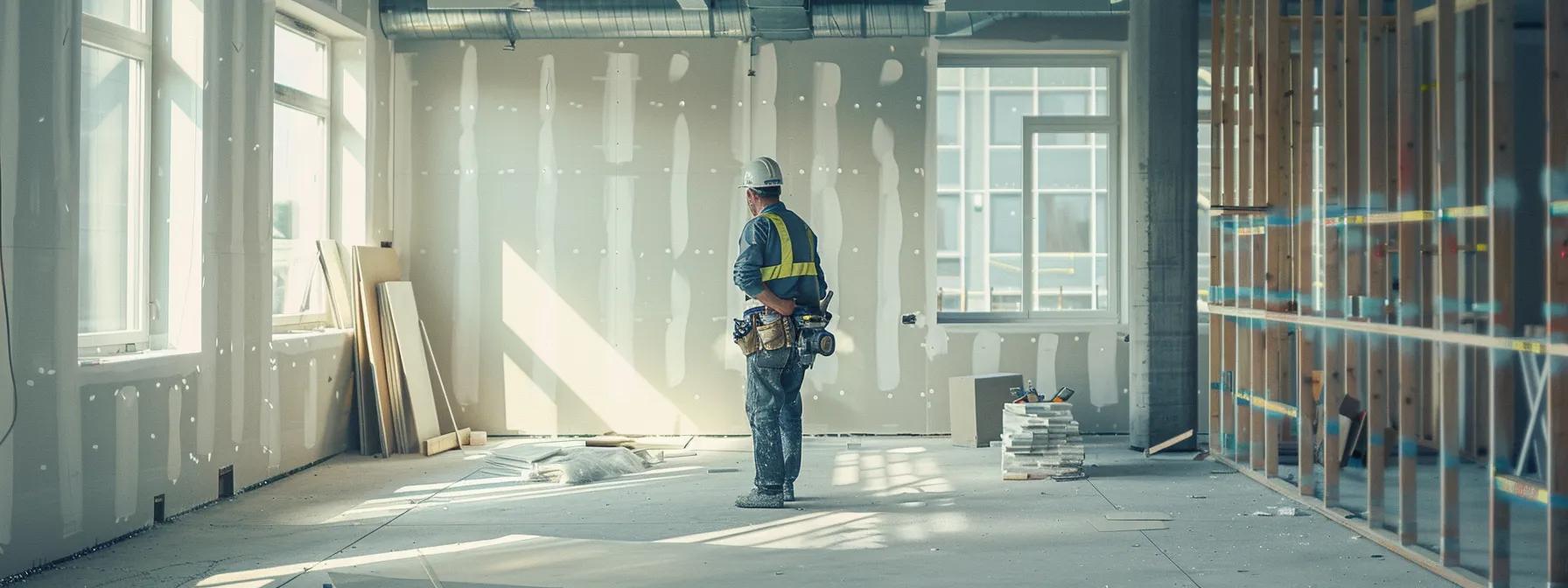
Prevention is key to avoiding installation issues. By using the right tools, materials, and techniques, contractors can minimize common problems and achieve a superior finish.
What Tools and Materials Are Essential for Proper Drywall Installation?
Essential tools include utility knives, drywall screw guns, levels, and tape measures. Quality materials such as gypsum boards, joint compound, fiberglass mesh, and primer are also vital. High-grade tools and materials not only ensure durability but also help reduce rework and labor time.
How Do You Choose the Right Drywall for Different Projects?
Project specifications dictate the choice of drywall. For high-moisture areas, cement board or moisture-resistant gypsum are best, while standard gypsum works well for interior walls. Evaluate factors like fire ratings, weight, and finish quality to make an informed decision that ensures safety and longevity.
What Techniques Ensure Proper Drywall Alignment and Secure Hanging?
Using precise measurements, laser levels, and marking stud locations accurately are critical for alignment. Screws must be uniformly spaced to secure the panels effectively, which minimizes gaps and provides a strong base for taping and mudding.
How Can Expansion Joints and Proper Taping Prevent Cracks?
Expansion joints help accommodate material movement in larger installations, reducing the risk of cracks. Combined with careful taping and multiple thin layers of joint compound, these joints distribute stress evenly across seams, reinforcing overall durability.
What Are Expert Tips for Avoiding Nail Pops During Installation?
Experts suggest using screws rather than nails for better holding power. Pre-drilling holes and ensuring even spacing helps reduce localized stress. Additionally, applying a thin coat of primer before mudding seals the fasteners, resulting in a smoother finish.
What Are the Best Methods to Repair Common Drywall Problems Effectively?
Effective repair methods restore the wall’s appearance and functionality, preventing future issues.
How Do You Repair Cracks in Drywall Step-by-Step?
Repairing cracks involves cleaning the area, applying joint compound with a putty knife, and reinforcing the crack with mesh tape if needed. After several coats and sanding, priming prepares the surface for repainting. Each step is important to ensure the repair blends seamlessly.
What Is the Correct Way to Fix Nail Pops and Prevent Recurrence?
For nail pops, remove or reset the protruding fasteners and cover the area with joint compound. Re-taping and additional compound coats ensure a seamless repair. Regular inspections prevent recurrence by addressing small issues before they grow.
How Should Water-Damaged Drywall Be Repaired or Replaced?
For water-damaged areas, remove the affected section, dry the exposed area thoroughly, and install new drywall. Taping, mudding, and sanding must follow to match the existing finish. Also, address the moisture source to prevent repeated damage.
What Are the Best Practices for Patching Holes in Drywall?
Small holes can be patched with a kit that includes mesh tape and joint compound, while larger holes may require cutting and inserting a new drywall piece. Secure the new piece with screws and finish by taping and sanding for a seamless appearance.
When Is It Necessary to Call a Professional for Drywall Repairs?
Minor issues may be fixed in-house; however, extensive damage, persistent moisture problems, or structural defects require professional services. Experts bring advanced tools and techniques that ensure long-lasting repairs and compliance with building codes.
How Can You Achieve a Smooth and Professional Drywall Finish?
Achieving a professional finish requires meticulous preparation and precise execution during taping, mudding, and painting.
What Are the Key Steps for Proper Drywall Taping and Mudding?
Begin by embedding the tape into a thin layer of joint compound. Apply subsequent layers gradually, ensuring each dries fully before sanding lightly. This builds a strong, smooth joint ready for the final finish.
How Do You Avoid Common Mudding Mistakes That Cause Imperfections?
Use the recommended consistency for joint compound and apply thin coats to prevent lumps. Avoid overworking the compound, and follow drying and sanding times as per manufacturer instructions to minimize cracks and surface imperfections.
What Are Effective Sanding Techniques for a Flawless Surface?
A fine-grit sander or sanding tool smooths the dried compound without damaging the tape. Consistent pressure and progressive sanding, along with dust removal between coats, result in a clean, even surface.
How Should Drywall Be Painted to Enhance Appearance and Durability?
Apply a quality primer to seal the surface, ensuring uniform paint adhesion. Use rollers and angled brushes to cover seams and corners evenly. Proper drying times and overlapping strokes yield a vibrant, protective finish.
What Are Expert Tips to Maintain Drywall Longevity and Prevent Future Issues?
Regular care and inspection prolong drywall longevity. Implementing preventive measures ensures drywall remains in optimal condition.
How Can Regular Inspections Help Detect Early Drywall Problems?
Routine checks help identify minor issues like small cracks, nail pops, or water staining early on. Early detection leads to prompt repairs that save time and money while preserving wall integrity.
What Are the Best Practices to Protect Drywall From Moisture and Mold?
Control indoor humidity with proper ventilation and dehumidifiers. Use moisture-resistant drywall in high-risk areas and apply mold-resistant primers and paints. Timely repair of leaks helps prevent mold growth and deterioration.
How Does Proper Home Environment Control Reduce Drywall Damage?
A stable home environment with controlled temperatures and humidity levels minimizes the expansion and contraction of drywall panels. HVAC systems and proper insulation contribute significantly to preserving drywall integrity.
What Role Do Quality Materials Play in Drywall Durability?
Investing in premium gypsum boards, high-quality joint compounds, and reliable fasteners enhances the overall longevity of drywall installations. Quality materials reduce the need for frequent repairs and offer a robust finish.
How Much Does Drywall Installation and Repair Typically Cost?
Costs vary based on project size, material quality, and labor. Understanding these factors is key to accurate budgeting.
What Factors Influence the Cost of Drywall Installation?
Material quality, labor rates, project complexity, and regional variations all influence cost. Specialized requirements such as fireproofing or moisture resistance may add to expenses. Detailed planning and multiple quotes help manage these costs.
How Much Should You Expect to Pay for Common Drywall Repairs?
Minor repairs like patching holes or fixing nail pops typically range from $150 to $600. More extensive repairs, such as addressing water damage or large cracks, can be higher due to additional material and labor costs.
Are There Cost Differences Between DIY and Professional Drywall Services?
DIY may reduce labor costs but often lacks the precision and durability of professional work. Professionals offer better craftsmanship, which can reduce long-term maintenance expenses despite a higher initial cost.
How Can You Get Accurate Estimates for Drywall Projects?
Accurate estimates come from thorough project assessments, site visits, and detailed labor and material evaluations. Comparing multiple contractor quotes ensures transparency and reliability in budgeting.
Where Can You Find Reliable Professional Drywall Installation and Repair Services?
Finding a reputable drywall contractor involves thorough research and evaluation of service quality. Recommendations, online reviews, and portfolios are valuable in assessing a contractor’s reliability.
What Should You Look for When Hiring a Drywall Contractor?
Look for proven experience, relevant certifications, and a solid portfolio. Transparent pricing, positive testimonials, and a clear warranty on work are good indicators of quality service.
How Do Customer Reviews and Testimonials Reflect Service Quality?
Customer feedback can reveal a contractor’s ability to complete projects on time and with high craftsmanship. Reviews that highlight reliability and efficiency affirm the contractor’s competence.
What Questions Should You Ask Before Hiring a Drywall Installer?
Inquire about the contractor’s process, material sourcing, and warranty policies. Ask how they handle common issues like cracks and water damage to understand their troubleshooting skills and project timelines.
How Can Local Expertise Improve Your Drywall Installation Experience?
Local contractors understand regional building codes and environmental factors that affect drywall performance. Their tailored solutions often result in faster, more accurate installations that meet both regulatory and aesthetic standards.
Frequently Asked Questions
Q: What causes drywall cracks and how can they be prevented? A: Cracks are mainly due to building settlement and humidity changes. Prevent them by selecting quality materials, proper installation, and maintaining stable environmental conditions.
Q: How can you effectively repair water-damaged drywall? A: Repair by removing the damaged area, thoroughly drying the space, and replacing it with moisture-resistant drywall. Follow up with proper taping and mudding.
Q: What key tools are essential for professional drywall installation? A: Essential tools include utility knives, drywall screw guns, laser levels, tape measures, and quality joint compounds to ensure proper alignment and durability.
Q: Why should professional services be preferred over DIY repair for drywall issues? A: Professionals offer precision, expertise, and quality workmanship, reducing recurring problems and ensuring durability over time.
Q: How do you obtain accurate estimates for drywall projects? A: Detailed assessments, multiple quotes, and a review of contractor portfolios provide the transparency needed for accurate budgeting.
Final Thoughts
Flawless drywall installation requires careful planning, quality materials, and adherence to best practices. By addressing common issues such as cracks, nail pops, and water damage early, and by using proper installation techniques, contractors can ensure durability and a long-lasting, professional finish. Regular inspections and maintenance further extend the life of drywall, making it a sound investment for any structure.
Recent Comments